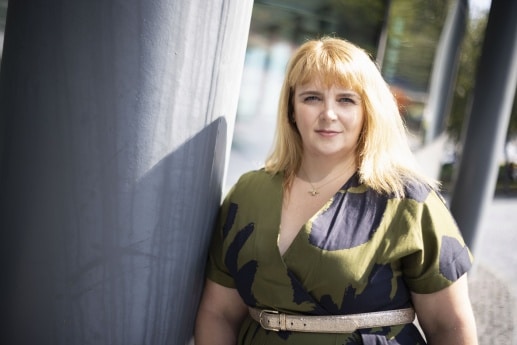
Amy Bloomfield, Head of HR at bathroom retailers Victoria Plum, discusses the challenges of attracting and managing a multi-generational workforce.
Developing an effective HR strategy means adapting to the changing face of today’s workforce
Throughout my HR career, one feature that has always been highly rewarding is being a meaningful business partner supporting organisations to navigate and weather significant challenges.
As everyone knows, today there’s a spectrum of topics on HR teams’ agendas as they develop strategies to help employers unlock the value of their people and drive positive change. From transforming company culture and supporting health and wellbeing to ensuring learning and development and tackling recruitment and retention challenges.
Navigating these is a significant challenge, but scratch the surface, and one, single, direct approach could be examining how to adapt to the changing nature of today’s workforce. Specifically, adapting to new generations of colleagues coming to the fold.
By carefully considering how to nurture a multigenerational workforce as the central tenant of a HR strategy, HR leaders, and entire organisations, can adapt their mindsets to one that is more conducive to weather major challenges.
A multigenerational workforce represents a melting pot of experiences, cultures and outlooks
It’s a fact of life that in the workplace different generations come and go. Each comes with a label that many of us are familiar with. In total, today five different generations are making up today’s workforce ranging from The Silent Generation, Boomers and Millennials right up to the youngest: Gen Z.
But beyond simple labelling, the reality is that today’s workforce represents a melting pot of different experiences, cultures, outlooks and expectations.
Coupled with different personality traits which often feed into unhelpful stereotypes, the world of work that each generation faced when they started their careers has changed significantly in recent years.
What employers are left with is a range of colleagues that require engaging and nurturing if they are to play a vital role in supporting organisations and promoting productivity.
This also presents a golden opportunity for HR teams to expand their capabilities and work to influence change amongst their organisation’s leadership.
There are plenty of knock on benefits to an effective, multigenerational workforce
Many organisations, with the support of their HR business partners, are already working on making progress when it comes to strategies, policies and programmes that build and nurture a diverse and inclusive workforce.
As this trend continues, it will be a marker of progress for organisations and a differentiator amongst competitors. But there are other proven, significant benefits to diversity and inclusion that revolve around the conducive mindset it creates.
Beyond representing today’s modern world, it ensures that organisations value and harness the lived experiences, contributions, presence and perspectives of a diverse workforce. This helps expand horizons and ensures colleagues automatically consider a diverse set of needs, improving strategic and decision-making skills.
Of course, this happens with any equality markers, but if employers consider how they can develop and nurture their multigenerational workforce, wider diversity and inclusion should come more naturally.
HR teams can start by leaving no stone unturned when analysing their workplace policies and practices.